Dt. Gauri Mehra
Published on May 19, 2026
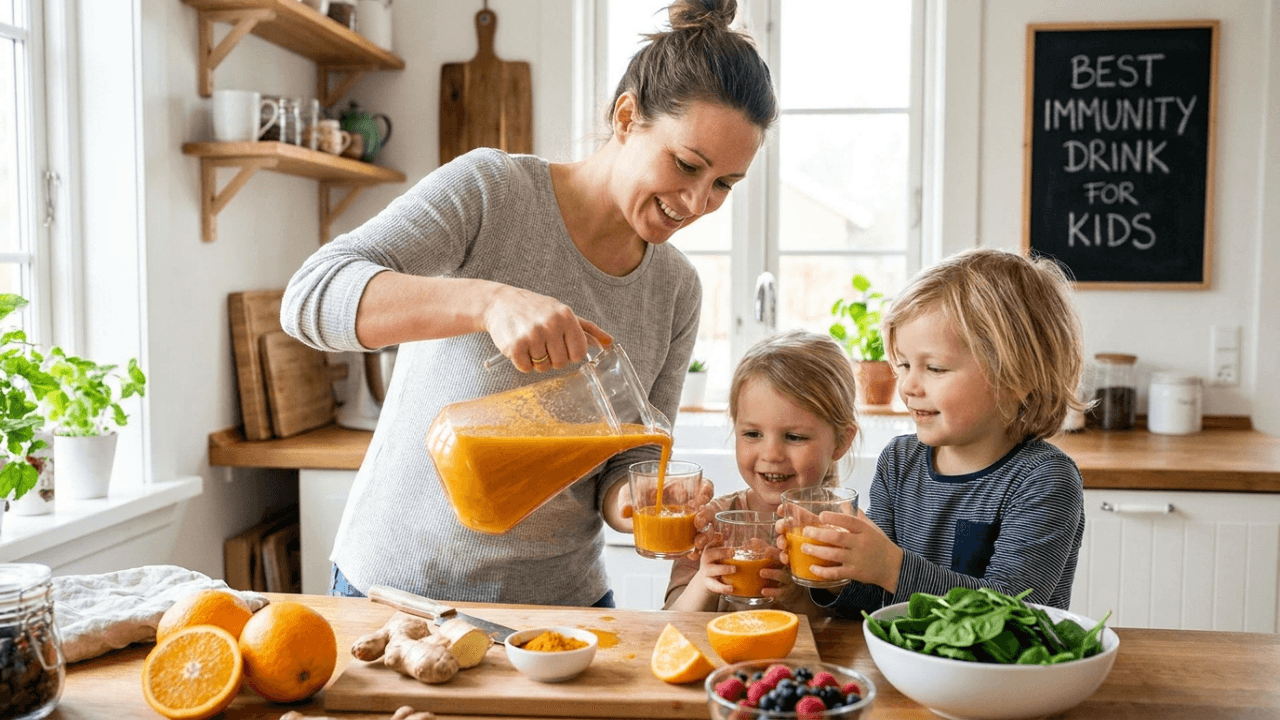
Best Immunity Drink For Children
Best Immunity Drink For Children: Doctor-Approved Recipes & Safety Tips
Introduction
As a parent, you want to protect your child from frequent colds, flu, and infections. You may have heard about “immunity drinks” for adults, but “What is the best immunity drink for children?” The answer is not a single product – it’s a combination of nutrient-rich, age‑appropriate, and safe homemade beverages that support your child’s developing immune system. In this blog, I’ll share evidence‑based, paediatrician‑approved immunity drink recipes, explain which ingredients actually work, and warn you against marketing gimmicks. Always consult your child’s doctor before introducing any new supplement or herbal drink. For personalised advice, you can book a consultation with our paediatric nutrition team. Learn more about our approach on our about page. For a deeper understanding of immune‑boosting whole foods, read our guide on foods that boost immunity and improve overall health.
1. Why Do Children Need Immunity Drinks? (And When Are They Useful?)
Children’s immune systems are still maturing. They encounter 6–8 colds per year on average. A well‑balanced diet is the real foundation – but immunity drinks can help fill gaps during seasonal changes, picky eating phases, or after an illness. Key benefits:
- Provide concentrated vitamins (A, C, D, E, zinc) that support white blood cell function
- Hydrate better than sugary juices or sodas
- Introduce immune‑boosting spices (turmeric, ginger) in a tasty way
- Replace unhealthy beverages like packaged fruit drinks or colas
However, no single drink prevents all infections. It works alongside sleep, physical activity, and a balanced diet. If your child has frequent infections, visit a best general physician in Ajmer to rule out underlying conditions. We also offer nutrition counseling for picky eaters. For a complete list of immunity‑supporting foods, check how to boost immunity naturally with food.
2. Top 5 Doctor‑Approved Immunity Drink Recipes for Children
These drinks are safe for most children above 1 year (honey is avoided under 12 months). Always start with small portions to test for allergies. For specialised guidance on child nutrition, you can consult our best child nutrition specialist in Ajmer.
- Golden Turmeric Milk (Haldi Doodh): Warm milk + ¼ tsp turmeric + pinch of black pepper + ½ tsp ghee. Turmeric’s curcumin reduces inflammation; black pepper increases absorption by 2000%. For children 1–5 years, use ½ cup milk. Sweeten naturally with a few drops of maple syrup (no honey under 1).
- Citrus Ginger Zinger: ½ orange (juiced) + ½ lemon (juiced) + 1 cm grated ginger + 1 cup warm water + 1 tsp raw honey (for >1 year). Vitamin C from citrus + gingerol from ginger – both support immune cell activity. Dilute with extra water for toddlers.
- Berry & Spinach Smoothie: ½ cup mixed berries (fresh/frozen) + small handful spinach + ½ banana + ½ cup plain yoghurt + water to blend. Berries are high in antioxidants (anthocyanins); spinach provides iron and vitamin A; yoghurt adds probiotics for gut immunity. Great for breakfast or post‑school.
- Amla (Indian Gooseberry) Cooler: 1 small amla (or 2 tsp amla powder) + 1 cup water + pinch of rock salt + 1 tsp jaggery or stevia. Amla is the richest natural source of vitamin C (700 mg per 100g). Boosts phagocyte activity. Serve at room temperature.
- Coconut Turmeric Latte (Dairy‑Free): 1 cup light coconut milk + ¼ tsp turmeric + pinch cinnamon + ¼ tsp vanilla extract. Coconut milk provides medium‑chain triglycerides (MCTs) that have antimicrobial properties. Cinnamon adds blood sugar‑balancing benefits.
For more ideas, explore our personalized meal planning service. You may also like our balanced Indian diet plan adapted for children.
3. Ingredients to Avoid in Children’s Immunity Drinks
Not everything marketed as “immune boosting” is safe for kids. Avoid these:
- Raw honey (under 12 months): Risk of infant botulism. Use only for older children.
- Undiluted apple cider vinegar: Can erode tooth enamel and irritate the stomach. If used, dilute heavily (1 tsp in 1 cup water) and rinse mouth after.
- Herbal supplements (elderberry, echinacea, astragalus) without doctor’s advice: They can interact with medications or trigger allergies. Some studies show elderberry may overstimulate the immune system in autoimmune‑prone children.
- Excess sugar: Packaged “immunity shots” often contain added sugar, which suppresses white blood cell activity for hours. Read labels – 4g sugar = 1 teaspoon.
- Caffeine (green tea, matcha, coffee): Not for children. Interferes with sleep and nutrient absorption.
- Raw milk or unpasteurized juices: Risk of E. coli, Salmonella. Always pasteurize.
Learn to identify hidden sugars with our guide on 10 healthy eating habits everyone should follow. If your child has a known allergy, our paediatric diabetes and allergy specialist can help create safe options.
4. Age‑Wise Guidelines: What to Give When
A toddler’s immune system differs from a teenager’s. Follow these age‑specific tips:
- 6–12 months (weaning stage): Only breastmilk/formula as main drink. Immunity “drinks” not needed. You can add a pinch of turmeric to vegetable purees after 8 months. No honey, cow’s milk, or citrus (acidic).
- 1–3 years (toddlers): Introduce golden milk (¼ cup, diluted with water), amla cooler (2–3 tbsp), or berry smoothie (¼ cup). Avoid large portions – they fill up and miss solid food. No honey if under 12 months; after 1 year, limit to 1 tsp/day.
- 4–8 years (preschool & early school): Full half‑cup servings. Citrus ginger zinger is fine if diluted (2 parts water:1 part juice). Good age for probiotic buttermilk (chaas) – add roasted cumin and mint.
- 9+ years (pre‑teens & teens): Can have adult‑sized servings (1 cup). Introduce green tea occasionally (decaf, max 1 cup/day) after 12 years. Encourage homemade lemonade with sea salt and honey instead of sports drinks.
For picky eaters in any age group, our weight and nutrition management services include strategies to make healthy drinks appealing. Read also healthy weight gain and loss guide for underweight or overweight children. For a family‑friendly meal structure, refer to balanced Indian diet plan for busy professionals – easily adaptable for kids.
5. Can Immunity Drinks Replace a Healthy Diet? (Important Reality Check)
No. Immunity drinks are supplements, not substitutes. Your child needs whole foods for fibre, protein, and diverse phytonutrients. A child who drinks three “immune smoothies” a day but refuses vegetables, whole grains, or eggs is still at risk for deficiencies. Evidence shows:
- Vitamin C from oranges is better absorbed than from a drink mix because of accompanying bioflavonoids.
- Zinc from pumpkin seeds or chickpeas works longer than zinc from a fortified powder.
- Probiotics from yoghurt or fermented foods (idli, dhokla) colonise the gut better than a probiotic drink with added sugar.
Use immunity drinks as a bridge – for example, after a fever when appetite is low, or during winter when outdoor play is limited. The cornerstone remains: rainbow vegetables, adequate protein, healthy fats, and good sleep. For meal ideas, check high‑protein vegetarian ideas for children and daily habits for metabolic health (relevant for kids with early obesity or prediabetes). You can also book a paediatric diet consultation for a custom plan.
6. Red Flags: When an Immunity Drink Might Harm Your Child
Even “natural” drinks can cause problems. Stop giving any immunity drink and consult a doctor if your child experiences:
- Allergic reaction: Hives, swelling of lips, difficulty breathing, vomiting within 2 hours. Common triggers: nuts in smoothies, honey (pollen allergy), turmeric (rare).
- Digestive upset: Diarrhoea, stomach pain, bloating – ginger and amla in excess can be too strong. Reduce quantity and dilute.
- Yellowing of skin: Excessive turmeric or carrot juice can cause carotenemia – harmless but a sign to cut back.
- Tooth staining: Dark berries, turmeric, or amla can stain teeth if given frequently without rinsing. Offer through a straw and rinse with water after.
- Interaction with medications: Grapefruit juice (not in our recipes, but common) interferes with many drugs. Even ginger can increase bleeding risk if your child is on blood thinners.
If you notice any of these, contact our team via our contact page or visit a general physician immediately. For non‑urgent questions, our chronic disease management team also handles paediatric food allergies.
7. DIY Immunity Drink Mix (Powdered) – Safe & Cost‑Effective
You can prepare a dry mix to add to milk or water. This avoids preservatives and lets you control sugar. Recipe:
- ½ cup dried amla powder (vitamin C)
- ¼ cup turmeric powder
- 2 tsp black pepper (enhances curcumin absorption)
- 2 tsp ginger powder
- 1 tsp cinnamon powder
- Optional: 2 tbsp jaggery powder (for taste, under 2g per serving)
Usage: Mix ¼ to ½ teaspoon into warm milk or water once daily. Store in an airtight glass jar for 2 months. Do not give to children under 1 year without doctor’s approval. This mix also works as a spice blend for soups or khichdi. For more homemade remedies, read our guide on foods that boost immunity and balanced diet principles – many apply to kids too. Learn about why sudden dizziness happens – a rare but possible reaction to strong spices in sensitive children.
8. Lifestyle Habits That Multiply the Effect of Immunity Drinks
An immunity drink alone cannot protect your child. Maximise its benefits with these non‑negotiable habits:
- Sleep: Children who sleep <9 hours (age 5–12) have 50% higher infection risk. Melatonin (sleep hormone) also regulates immune cells. Stick to a fixed bedtime.
- Outdoor play & vitamin D: 20–30 minutes of morning sun helps produce vitamin D – crucial for T‑cell function. If sunlight is inadequate, ask your doctor about vitamin D drops.
- Hand hygiene: 80% of common colds spread via touch. Teach proper handwashing before meals and after play.
- Stress reduction: School pressure or family stress raises cortisol, suppressing immunity. Read mental health tips for children to spot early signs of anxiety.
- Limit screen time: Blue light disrupts sleep and reduces natural killer cell activity. Follow age‑based screen limits.
For families wanting a complete wellness plan, explore our integrated health services. You may also benefit from learning how to understand your child’s body signals – early fever, lethargy, or appetite changes.
🏁 Conclusion
The best immunity drink for children is not a single magic potion but a rotation of safe, homemade, nutrient‑dense recipes tailored to your child’s age, taste, and health status. Golden milk, citrus ginger drink, berry spinach smoothie, and amla cooler are excellent choices – provided you avoid added sugar, raw honey for infants, and excessive herbs. Always remember: no drink replaces a balanced diet, good sleep, and hygiene. If your child falls sick too often (more than 8–10 colds per year, or repeated pneumonia/ear infections), consult a paediatrician to rule out immune deficiencies. At GaurNish Health, our paediatric specialists and dietitians work together to create safe, effective immunity plans for children. For specialised child nutrition advice, meet our best child nutrition specialist in Ajmer. Book a consultation today – because your child’s health deserves evidence, not guesswork. Explore all our services or reach out via our contact page for personalised support.