Dt. Gauri Mehra
Published on May 8, 2026
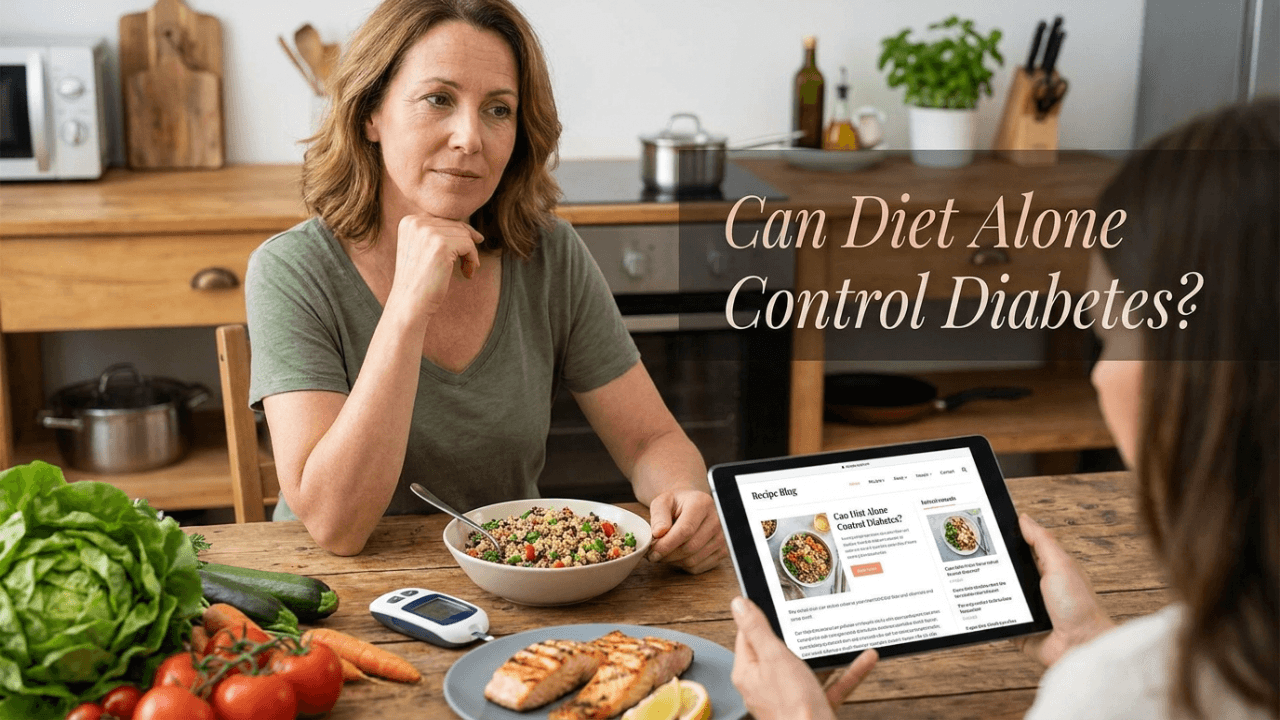
Can Diet Alone Control Diabetes? A Doctor’s Honest Answer
Can Diet Alone Control Diabetes? A Doctor’s Honest Answer
Introduction
If you have recently been diagnosed with type 2 diabetes or prediabetes, you may wonder: “Can I control my blood sugar with diet alone, without medication?” It’s a powerful and hopeful question. The short answer: For some people, yes — but not for everyone, and not always forever. Diet is the cornerstone of diabetes management, but whether it can replace medication depends on the type of diabetes, how long you’ve had it, your current blood sugar levels, and your overall health. In this blog, we’ll explore exactly what diet can and cannot do, when medication is necessary, and how to work with your healthcare team for the best outcome. Always consult a sugar specialist doctor in Ajmer before stopping or changing any diabetes medication. For more about our approach, visit our about page.
1. Understanding the Role of Diet in Diabetes
Diabetes is a condition where your body either doesn’t produce enough insulin (type 1) or becomes resistant to insulin (type 2). Diet directly affects blood glucose levels because carbohydrates break down into sugar. A well-planned diet can:
- Reduce post-meal blood sugar spikes
- Improve insulin sensitivity over time
- Lower HbA1c (average 3-month blood sugar)
- Help with weight loss, which is key for type 2 diabetes remission
However, diet alone rarely controls type 1 diabetes because the body produces zero insulin. For type 2, it depends on severity. Learn more about high BP and diabetes management if you have both conditions. You can also explore our chronic disease management services for integrated care.
2. When Can Diet Alone Be Enough?
Diet alone (often combined with exercise) may be sufficient in these scenarios:
- Prediabetes: Blood sugar is higher than normal but not yet diabetic. Intensive lifestyle changes can reverse it completely.
- Early-stage type 2 diabetes: Mild elevation (fasting glucose 110–150 mg/dL, HbA1c <7%) and no symptoms.
- Gestational diabetes: Many women can manage with diet and exercise, though some need insulin.
- After bariatric surgery: Dramatic calorie reduction can put diabetes into remission.
In these cases, a structured diet plan for weight loss and diabetes control can eliminate the need for medication. However, regular monitoring is essential. A best dietitian near me in Ajmer can help design a sustainable, diabetes-specific meal plan. We also offer nutrition counseling and personalized meal planning services.
3. When Is Diet Alone NOT Enough?
Relying solely on diet can be dangerous in these situations:
- Type 1 diabetes: Always requires insulin. Without it, diabetic ketoacidosis (DKA) can be fatal.
- Long-standing type 2 diabetes with high HbA1c (>8.5–9%): The pancreas may be “burned out” and needs medication support.
- Symptoms of high blood sugar: Frequent urination, extreme thirst, weight loss, blurry vision — these indicate urgent need for medication.
- Very high fasting glucose (>200 mg/dL): Diet changes are too slow; immediate medical intervention is needed.
- Presence of complications: Kidney disease, neuropathy, or heart disease often require medications like SGLT2 inhibitors or GLP-1 agonists regardless of diet.
If you experience any of the above, consult a best general physician in Ajmer without delay. Our chronic disease management team specializes in complex diabetes cases. You can also book a consultation directly.
4. The Science: Can Diet Reverse Diabetes?
Yes — for some people with type 2 diabetes, diet can lead to remission (normal blood sugar without medication for at least 3 months). Landmark studies like the DiRECT trial showed that a low-calorie diet (800–850 calories/day for 3–5 months) put nearly 50% of participants into remission. Key factors for success:
- Losing at least 10–15% of body weight (especially visceral fat around the liver and pancreas)
- Choosing a sustainable eating pattern: low-carb, Mediterranean, or plant-based
- Combining diet with daily physical activity
But remission is not a cure — if you return to old eating habits, blood sugar rises again. Learn more about a complete guide to healthy weight loss that supports diabetes remission. Our weight management services include medical supervision for safe calorie reduction. Read also how to lose belly fat naturally for additional tips.
5. Best Diets for Diabetes Control (If You Want to Try Diet Alone)
If you and your doctor agree to attempt diet-only management, these evidence-based approaches work best:
- Low-Carbohydrate Diet: Limit carbs to 50–100g/day. Avoid rice, wheat, sugar, potatoes. Focus on vegetables, protein (eggs, fish, paneer, tofu), healthy fats (nuts, avocado, olive oil).
- Mediterranean Diet: Rich in olive oil, fish, leafy greens, whole grains, nuts. Proven to lower HbA1c by ~0.5%.
- Plant-Based (Vegan/Vegetarian): High in fiber and low in saturated fat. Ensure adequate protein from legumes, lentils, soy.
- Intermittent Fasting: Time-restricted eating (e.g., 8-hour window) can improve insulin sensitivity. Not for everyone — consult a doctor.
A sample Indian low-carb day:
- Breakfast: 2 egg omelet with spinach and mushrooms + green tea
- Lunch: Grilled paneer tikka + large salad + ½ bowl dal without rice/roti
- Dinner: Fish curry + stir-fried bitter gourd (karela) + 1 multigrain roti
- Snacks: Handful of almonds or roasted chana
For personalized plans, explore our nutrition counseling services or read high protein vegetarian ideas tailored for diabetes. You may also enjoy our guide to immunity-boosting foods.
6. Risks of Trying Diet Alone Without Medical Supervision
Many people attempt to “quit sugar” or “go on a strict diet” without telling their doctor. This can backfire:
- Hypoglycemia (dangerously low blood sugar): If you are on insulin or sulfonylureas and suddenly cut carbs without adjusting meds, your sugar can crash, causing seizures or coma.
- Diabetic ketoacidosis (DKA) in type 1 or advanced type 2: Very low carb without enough insulin leads to acid buildup in blood.
- Nutrient deficiencies: Extreme diets lacking in fiber, vitamins, or protein worsen long-term health.
- False reassurance: You might feel fine while blood sugar remains high, leading to silent organ damage.
Never stop diabetes medication without a doctor’s guidance. You can book a consultation with our team to safely adjust your treatment. Learn to understand your body’s warning signals for blood sugar extremes. For additional safety, read why you might feel dizzy suddenly — a common symptom of glucose fluctuations.
7. How to Transition from Medication to Diet-Only (If Appropriate)
If your HbA1c has been well-controlled (<6.5%) on low-dose metformin or no drugs, and you’ve lost significant weight, your doctor might consider a trial of diet-only management. Steps include:
- Frequent blood glucose monitoring (fasting, post-meal)
- Gradual medication reduction under medical supervision
- Strict adherence to a diabetes-friendly diet
- Regular HbA1c checks every 3 months
- Having rescue medication (e.g., metformin) ready if sugar rises again
This approach works best with a team: a physician and a dietitian. Our meal planning services can support you during this transition. Also check our guide on 10 healthy eating habits for long-term success. You might also find our balanced Indian diet plan for busy professionals useful.
8. Beyond Diet: Lifestyle Factors That Make or Break Diabetes Control
Even if you try diet alone, ignoring these will prevent success:
- Exercise: Aerobic + resistance training improves insulin sensitivity for up to 24 hours. Aim for 150 min/week.
- Sleep: Less than 6 hours increases insulin resistance. Prioritize 7–8 hours.
- Stress: Cortisol raises blood sugar. Practice yoga or deep breathing. Read about mental health support if anxiety affects your diet.
- Hydration: Water helps kidneys flush excess sugar. Avoid sugary drinks and packaged juices.
For overall preventive habits, see 5 healthy habits to prevent lifestyle diseases. Also, consider learning about daily habits to control high BP and sugar levels if you have both conditions.
🏁 Conclusion
So, can diet alone control diabetes? Yes, in selected cases of prediabetes and early type 2 diabetes — but only with careful medical supervision, regular monitoring, and a sustainable eating plan. For most people with established type 2 diabetes, diet reduces the need for medication but may not eliminate it entirely. For type 1 diabetes, diet alone is never safe. The goal is not to avoid medication at all costs, but to achieve the best blood sugar control with the fewest interventions. If you want to explore whether diet alone could work for you, start by consulting a specialist. At GaurNish Health, we offer integrated care — our diabetologist and dietitian work together to create a personalized plan. Book a consultation today — because the right answer is always tailored to you. You can also explore our full healthcare services or reach us via our contact page.